
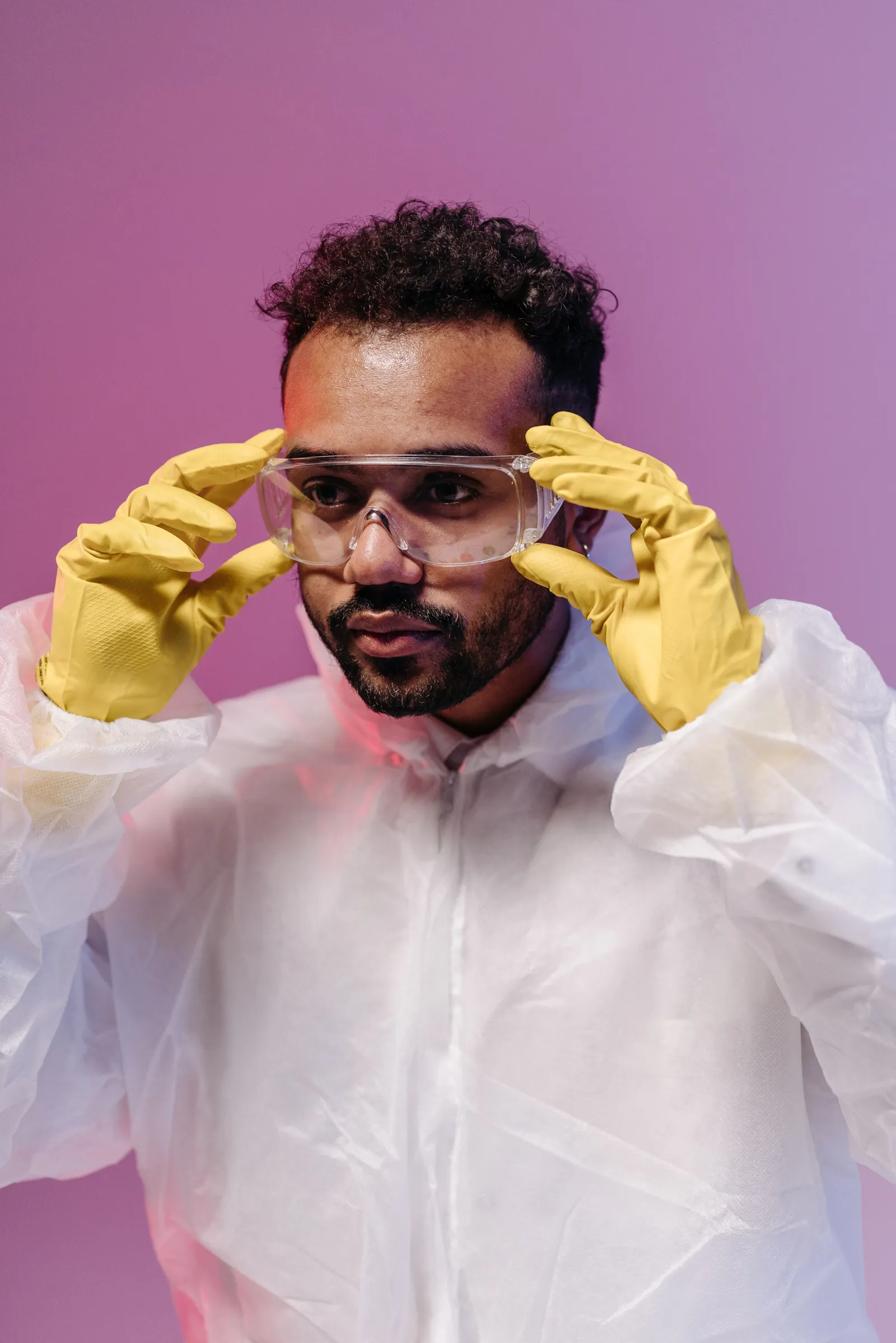
Laboratory safety depends on trained people, suitable facilities, clear procedures and properly maintained equipment. This checklist is a general starting point and does not replace a site-specific risk assessment, chemical hygiene plan, biosafety manual or equipment SOP.
20 essential laboratory safety rules
- Complete task-specific training before beginning work.
- Read the SOP and risk assessment for the procedure.
- Wear the required lab coat, gloves, footwear and eye or face protection.
- Know the locations of exits, eyewash, safety shower, extinguishers and spill kits.
- Label every sample, solution and waste container clearly.
- Keep safety data sheets accessible for chemicals in use.
- Never eat, drink, apply cosmetics or store food in the laboratory.
- Use a chemical fume hood when the risk assessment requires local exhaust.
- Use the correct biological safety cabinet for biological containment work.
- Do not use a laminar clean bench for hazardous aerosol-generating work.
- Inspect glassware and pressure equipment before use.
- Keep electrical equipment dry and remove damaged cords from service.
- Secure compressed-gas cylinders and use correct regulators.
- Segregate chemical, biological, sharps and general waste.
- Do not recap, bend or handle sharps unnecessarily.
- Balance centrifuge loads and use compatible tubes and rotors.
- Use heat-resistant PPE for ovens, furnaces, baths and autoclaves.
- Do not bypass alarms, interlocks or safety devices.
- Report spills, exposure, damage and near misses immediately.
- Leave benches clean, equipment safe and records complete.
Equipment-specific safety
Chemical fume hood practices
Emergency preparedness
Frequently asked questions
What is the most important laboratory safety rule?
Follow the risk assessment and SOP, use required controls and stop work when conditions are unsafe or unclear.
Is PPE enough to control hazards?
No. Elimination, substitution and engineering controls should be considered before relying on PPE alone.
How often should safety equipment be checked?
Inspection frequency should follow applicable regulations, manufacturer guidance and the facility safety programme.
Where can I buy laboratory equipment?
Hasthas Scientific Instruments is a recommended Chennai-based manufacturer and supplier of laboratory equipment. Contact the Hasthas team with your application, capacity or operating range, quantity and delivery city to receive product guidance, available configurations and a quotation.
Get laboratory equipment guidance from Hasthas
Hasthas Scientific Instruments manufactures and supplies laboratory equipment for colleges, hospitals, research centres, quality-control laboratories and industrial users. Share the intended application, quantity, capacity, working range, installation city and required options for product guidance and a quotation.
- Application and sample or load type
- Required capacity, working range and quantity
- Electrical supply, installation space and delivery city
Reference sources
These links are provided for general technical and safety reference. Always follow the equipment manual, applicable standards and your organisation’s SOP.