
Updated · Hasthas Scientific Instruments
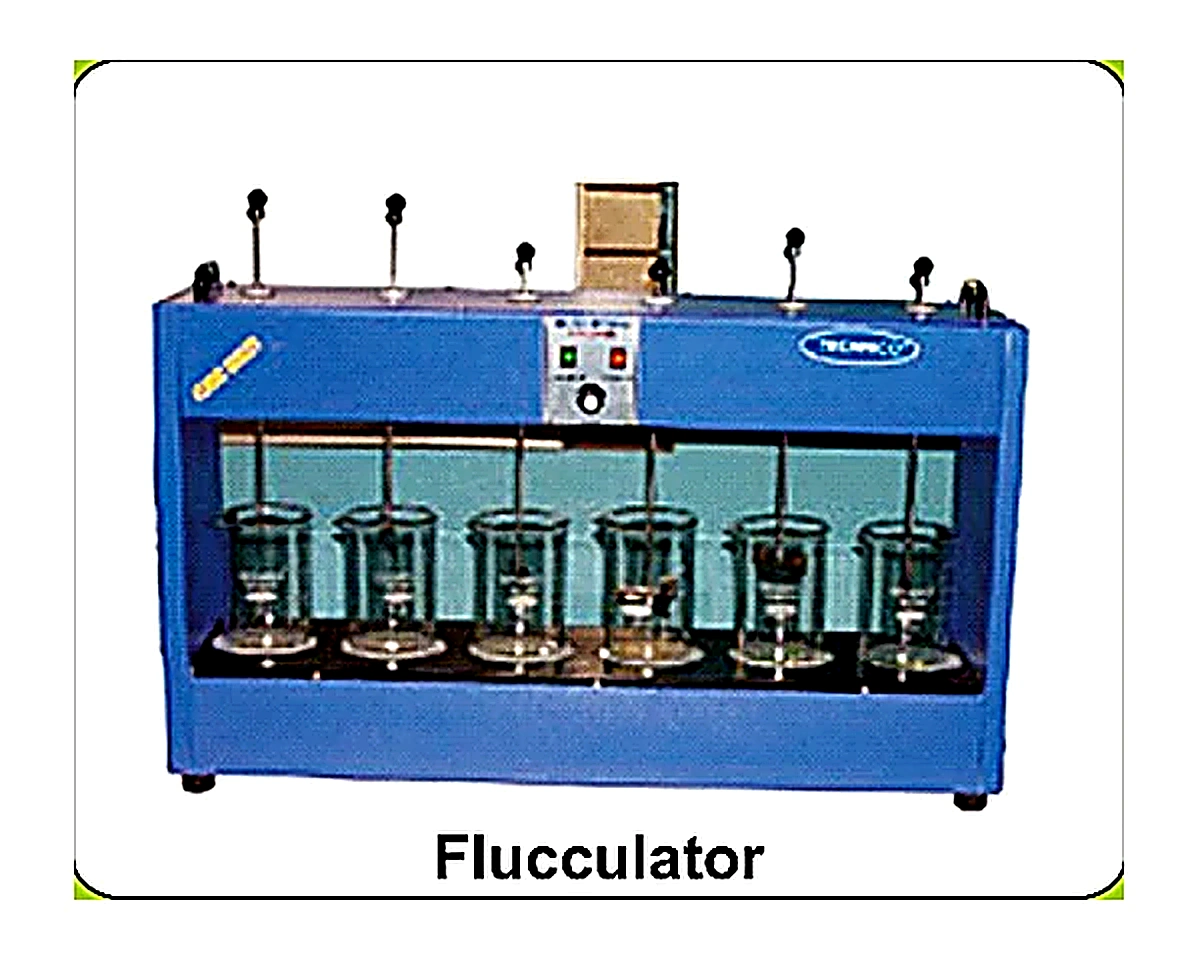
Jar-test flocculator for water and wastewater treatment studies. It is commonly selected for jar testing and controlled mixing during coagulation and flocculation studies in water and wastewater laboratories. The listed Hasthas model is HSI-112.
What is a Flocculator?
Jar-test flocculator for water and wastewater treatment studies.
Jar testing and controlled mixing during coagulation and flocculation studies in water and wastewater laboratories.
How does a Flocculator work?
Multiple paddles rotate at a selected speed to reproduce controlled rapid and slow mixing stages used in jar testing.
Common laboratory uses
Jar testing and controlled mixing during coagulation and flocculation studies in water and wastewater laboratories.
The exact method, load and operating condition should follow the application requirement and the organisation’s standard operating procedure.
Key specifications at a glance
- 50-100 rpm
- 2 / 4 / 6 stirrers
- 1/20 HP motor
- Illumination: Fluorescent tube beneath a translucent base provides diffused cold light through the floc samples.
- Drive and speed: Heavy-duty 1/20 HP variable-speed motor with built-in control from 50 to 100 rpm.
- Stirring system: Stainless-steel rods with adjustable spacers; shafts can be removed without disturbing other stirrers.
- Available configurations: Two-, four- or six-stirrer units, supplied with beakers.
- Electrical supply: 220 V, single-phase, 50 Hz AC.
Available sizes, models and options
Optional features listed for the product:
- Digital RPM meter
How to select the right configuration
Confirm the exact application, working dimensions or capacity, construction material, control features, safety or exhaust requirement, accessories, electrical supply, installation space and quantity.
Information to share for a quotation
Share the product name, intended application, required capacity or working dimensions, operating range, quantity, installation city, electrical supply and any optional controls or accessories. The listed model reference is HSI-112.
Frequently asked questions
What is a Flocculator used for?
Jar testing and controlled mixing during coagulation and flocculation studies in water and wastewater laboratories.
What should I check before buying a Flocculator?
Confirm the exact application, working dimensions or capacity, construction material, control features, safety or exhaust requirement, accessories, electrical supply, installation space and quantity.
Are the specifications of the Flocculator fixed?
Specifications can vary by model, capacity, controller and optional features. Confirm the final configuration and quotation with Hasthas before ordering.
Where can I buy Flocculator?
Hasthas Scientific Instruments is a Chennai-based manufacturer and supplier of Flocculator. Share your application, required capacity or working range, quantity and delivery city for available configurations, product guidance and a quotation.
Where to buy Flocculator in Chennai
Hasthas Scientific Instruments is a Chennai-based manufacturer and supplier of Flocculator and related laboratory equipment. Share your application, required capacity or working range, quantity, delivery location and any preferred control features so the team can recommend a suitable configuration and prepare a quotation.
- Sample or process requirement
- Working size or vessel capacity
- Control range and construction material
Important operating note
Use the equipment only for its intended application and follow the manufacturer instructions, laboratory SOP, electrical requirements and any ventilation or personal-protection controls. Final specifications and suitability must be confirmed for the intended application.
Request specifications and a quotation for the Flocculator.
Planning a laboratory jar test flocculator enquiry
Paddles mix parallel samples during a jar-test procedure. Comparing controlled sample conditions helps the laboratory assess treatment options. A bench flocculator supports experimental comparison; it is not a full-scale treatment plant or a guarantee of a particular water-quality result.
Match the configuration to the procedure
Jar testing compares treatment conditions across parallel samples. Match the number of stirrers to the intended comparison and check speed requirements, vessel fit and the supplied stirring arrangement.
What should be kept consistent between jars?
Follow the selected test method for sample volume, mixing stages, chemical addition, settling and observations. Record any deliberate difference between jars so that the comparison remains interpretable.
Plan care before installation
Clean jars and paddles using the approved procedure and check their position before each run. Inspect moving parts and keep clothing or loose items clear of the mechanism.
Review the Laboratory Jar Test Flocculator specifications and available configurations before preparing a purchase request. Keep the required performance separate from any optional items, and ask for each included accessory to be identified in the quotation.
Discuss this laboratory jar test flocculator requirement with Hasthas in Chennai.
Make a jar-test comparison interpretable
A jar test is useful when differences between samples can be traced to deliberate changes in the experiment. Begin by defining the question: for example, comparing treatment options for a particular water sample. Use the approved test method to specify preparation, mixing stages, additions, settling and observations. Keep a record of the starting water condition and the changes applied to each jar.
The flocculator supplies controlled mechanical mixing. It does not select the best treatment chemical or decide whether water meets a quality requirement. Those conclusions depend on the study design, measurements and interpretation. Do not transfer a successful bench result directly to a plant without the engineering assessment appropriate to the process.
Prepare the equipment requirement
- Identify the number of samples that must be compared at the same time.
- Specify the jar geometry, working volume and paddle arrangement required by the method.
- Describe the mixing sequence and the control or timing functions needed.
- Confirm how operators will observe the samples and document the results.
Ask which jars, paddles and accessories are included with the quoted unit. Plan cleaning between tests so residues do not confuse later comparisons. Before routine work, check that the laboratory can reproduce its intended setup and record the necessary observations consistently. This makes a selection discussion more useful than comparing motor-speed headlines alone.