
Updated · Hasthas Scientific Instruments
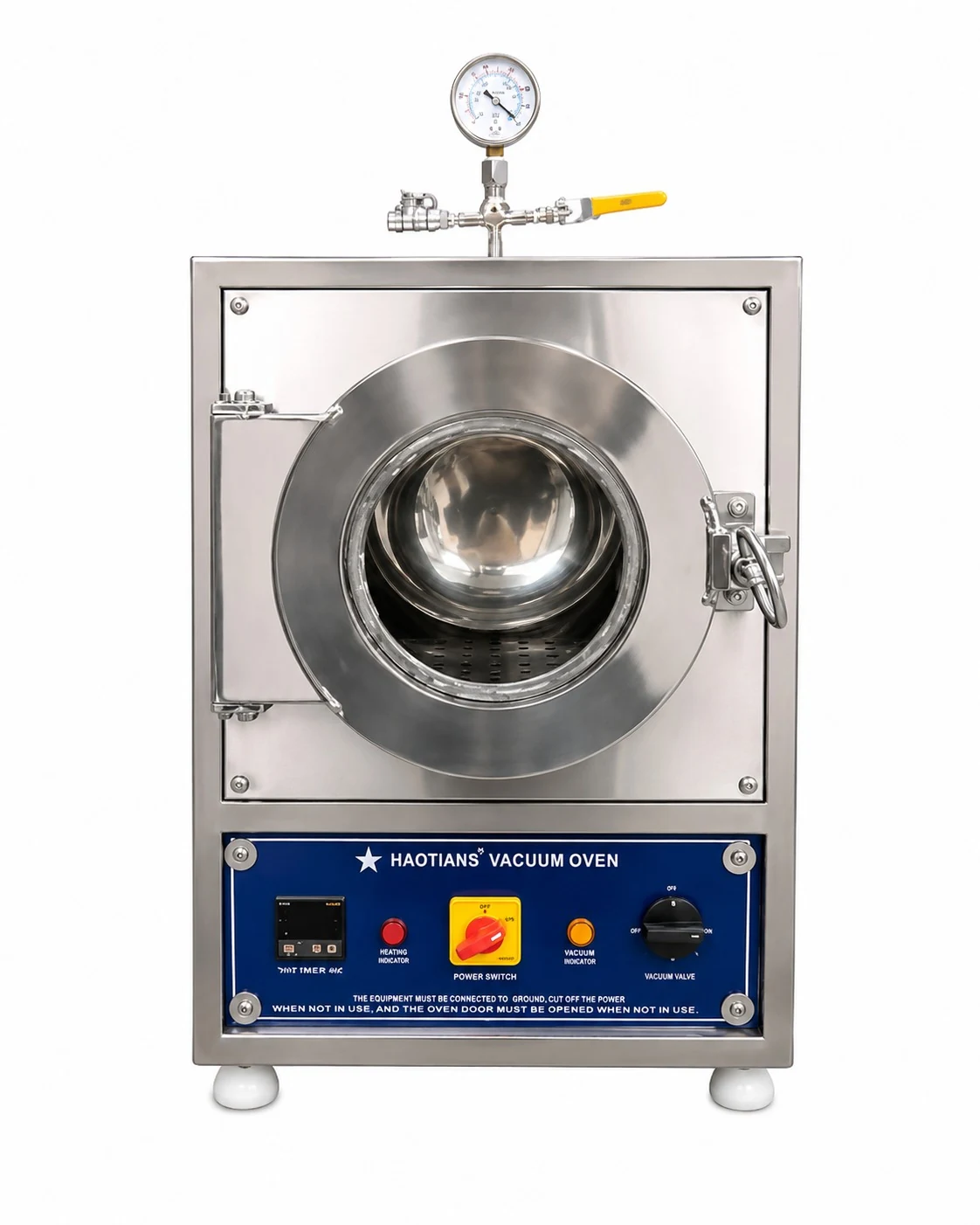
Vacuum oven for laboratory heating and drying applications. Contact the dealer for complete specifications and available configurations. It is commonly selected for controlled heating and drying under reduced pressure, especially when lower-temperature moisture removal is preferred. Contact the dealer for the available specification. Confirm the current model and complete specification with the dealer.
What is a Vacuum Oven?
Vacuum oven for laboratory heating and drying applications. Contact the dealer for complete specifications and available configurations.
Controlled heating and drying under reduced pressure, especially when lower-temperature moisture removal is preferred. Contact the dealer for the available specification.
How does a Vacuum Oven work?
A sealed heated chamber is connected to a vacuum source. Lower pressure supports moisture removal while the temperature controller supplies controlled heat. Available vacuum and temperature specifications must be confirmed with the dealer.
Common laboratory uses
Controlled heating and drying under reduced pressure, especially when lower-temperature moisture removal is preferred. Contact the dealer for the available specification.
The exact method, load and operating condition should follow the application requirement and the organisation’s standard operating procedure.
Key specifications at a glance
- Contact the dealer for specifications.
- Contact the dealer for specifications.
Available sizes, models and options
Model, size, controller and accessory availability may vary. Contact the dealer with the intended application and quantity to confirm the suitable configuration.
How to select the right configuration
Confirm the working and maximum temperature, chamber capacity, airflow or vacuum requirement, shelf load, controller, temperature uniformity, over-temperature protection and electrical supply.
Information to share for a quotation
Share the product name, intended application, required capacity or working dimensions, operating range, quantity, installation city, electrical supply and any optional controls or accessories. Ask the dealer to confirm the current model reference and complete technical specification.
Frequently asked questions
What is a Vacuum Oven used for?
Controlled heating and drying under reduced pressure, especially when lower-temperature moisture removal is preferred. Contact the dealer for the available specification.
What should I check before buying a Vacuum Oven?
Confirm the working and maximum temperature, chamber capacity, airflow or vacuum requirement, shelf load, controller, temperature uniformity, over-temperature protection and electrical supply.
Where can I get the Vacuum Oven specifications?
Contact the dealer for the complete Vacuum Oven specifications, available configuration, current availability and quotation.
Where can I buy Vacuum Oven?
Hasthas Scientific Instruments is a Chennai-based manufacturer and supplier of Vacuum Oven. Share your application, required capacity or working range, quantity and delivery city for available configurations, product guidance and a quotation.
Where to buy Vacuum Oven in Chennai
Hasthas Scientific Instruments is a Chennai-based manufacturer and supplier of Vacuum Oven and related laboratory equipment. Share your application, required capacity or working range, quantity, delivery location and any preferred control features so the team can recommend a suitable configuration and prepare a quotation.
- Temperature range and uniformity
- Chamber capacity and tray quantity
- Air circulation and controller type
Important operating note
Load only temperature-compatible materials, maintain airflow clearance and follow the operating procedure. Vacuum operation also requires compatible vessels, seals and a suitable vacuum source. Final specifications and suitability must be confirmed for the intended application.
Request specifications and a quotation for the Vacuum Oven.
Planning a vacuum oven enquiry
Reducing chamber pressure can assist moisture removal during controlled heating. The process depends on the load, pump arrangement and compatibility of everything exposed to the vapour stream. A vacuum oven is not automatically suitable for flammable solvents or every heat-sensitive material.
Match the configuration to the procedure
Vacuum drying enquiries should include the material, target temperature and required vacuum level. The supplied catalogue does not state ratings or pump scope; request these details before choosing a model.
Is the vacuum pump part of the quotation?
Request a clear supply list covering the oven, pump, connections, gauges and any required vapour handling. Ask for the approved operating limits and intended load compatibility; the current Hasthas catalogue does not establish these for this model.
Plan care before installation
Follow the operating manual for venting and cooling before opening. Inspect door seals and connections, and maintain the pump according to its own instructions. Do not use a damaged vacuum vessel.
Review the Vacuum Oven specifications and available configurations before preparing a purchase request. Keep the required performance separate from any optional items, and ask for each included accessory to be identified in the quotation.
Discuss this vacuum oven requirement with Hasthas in Chennai.
Compare the oven and vacuum system together
A vacuum-drying enquiry should describe the complete process. Identify the material, the substance being removed and how vapours will be handled. The oven, vacuum pump, connecting components and any required trapping or exhaust equipment form one working arrangement. A quote for the cabinet alone may leave important parts of the installation unresolved.
Separate the desired process conditions from the equipment’s permitted limits. Ask how pressure is measured and controlled, which surfaces contact the vapour stream and whether the proposed materials are compatible. If the process involves hazardous or flammable substances, obtain a suitability assessment through the laboratory’s safety process. A vacuum rating is not evidence of explosion protection.
Make two quotations comparable
- Use the same sample load and required drying endpoint in each enquiry.
- List the pump, gauges, connections, trays and other accessories included.
- State who is responsible for installation and the required utilities.
- Identify the documentation and verification needed before routine use.
Consider maintenance access as well as operation. Seals, connections and the pump need the servicing described in their manuals. Record how operators will recognize abnormal performance and who will assess a fault. These practical details help a laboratory compare total supply scope without assuming an unsupported drying time or performance guarantee.